

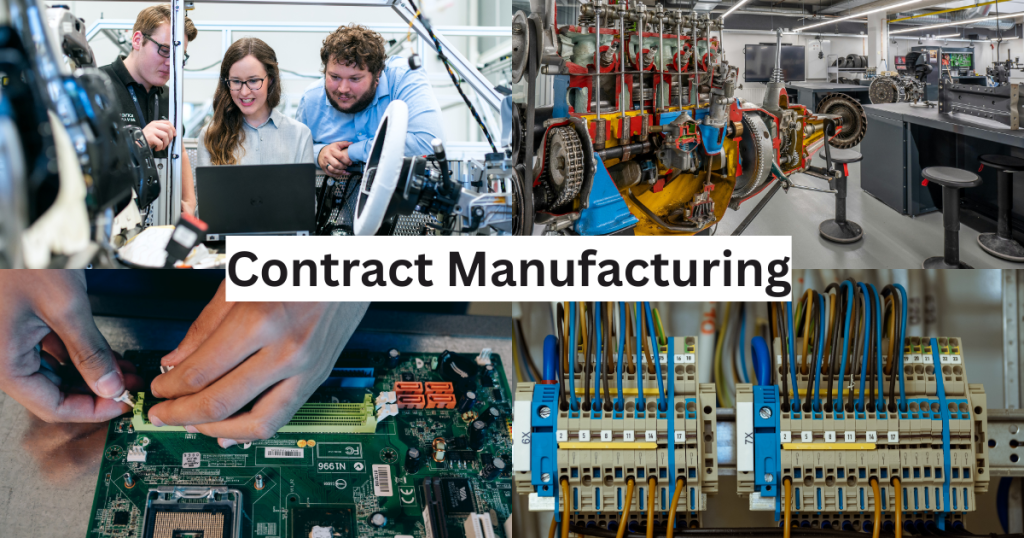
Southeast Asia has emerged as a dynamic region for global manufacturing, and at its heart lies Malaysia—a nation increasingly recognized as a prime hub for contract manufacturing. Several factors have contributed to Malaysia’s rise as a preferred destination for companies seeking reliable, high-quality outsourcing solutions. From its strategic location and infrastructure to a skilled workforce and supportive government policies, Malaysia offers a strong value proposition for businesses across diverse industries.
Malaysia as a Key Player in Contract Manufacturing
One of Malaysia’s key advantages is its strategic geographical location. Situated at the crossroads of major shipping lanes and air routes, Malaysia provides access to key markets in Asia, Europe, and beyond. This logistical advantage translates to reduced transportation costs and efficient supply chain management. Ports like Port Klang and the Port of Tanjung Pelepas are well-equipped and efficiently managed, facilitating the smooth flow of goods. Malaysia’s network of highways and airports ensures efficient inland and international connectivity. For contract manufacturers like Smartlink Engineering, located in Shah Alam and Penang, this geographical advantage supports global client service with optimized logistics.
Another significant draw is Malaysia’s well-established infrastructure. The Malaysian government has consistently invested in developing industrial parks throughout the country, offering streamlined regulatory processes and shared facilities. More information on these industrial zones is available through the Malaysian Investment Development Authority (MIDA). Reliable power supply, high-speed internet connectivity, and efficient transportation networks are crucial for smooth manufacturing processes and effective communication with international clients. Companies like Smartlink benefit directly from this infrastructure, enabling reliable and efficient assembly services.
The availability of a skilled and adaptable workforce is another cornerstone of Malaysia’s appeal. The country has a strong focus on education and vocational training, producing a workforce proficient in the technical skills required for various manufacturing processes. This is essential for ensuring the quality and precision demanded by industries such as semiconductor, automotive, and aerospace—all sectors served by Smartlink Engineering. Continuous upskilling and training programs further enhance workforce capabilities as manufacturing technology evolves.
The Malaysian government’s supportive policies and investment incentives play a crucial role in attracting foreign direct investment and fostering the contract manufacturing sector. Agencies like MIDA provide information on investment incentives, including tax benefits and allowances designed to attract foreign companies. The establishment of Licensed Manufacturing Warehouses (LMW)—as obtained by Smartlink Engineering in 2009—facilitates export-oriented manufacturing through exemptions from certain duties and taxes. This proactive approach by the Ministry of Investment, Trade and Industry (MITI) creates a business-friendly environment that encourages growth and innovation.
Malaysia also has a strong track record of quality and reliability in manufacturing. Malaysian manufacturers are increasingly adopting international quality standards such as ISO 9001:2015, which Smartlink Engineering has successfully maintained. These standards are overseen internationally by the International Organization for Standardization (ISO), with the Department of Standards Malaysia (Standards Malaysia) serving as the national accreditation body. This commitment to quality assurance gives international clients confidence that their products will be manufactured to the highest standards.
The diversity of Malaysia’s manufacturing sector is another key strength. While excelling in electronics and electrical manufacturing, Malaysia also has a significant presence in automotive, aerospace, medical devices, and consumer goods. This provides a broad base of expertise, making Malaysia a versatile hub across industries. Companies like Smartlink Engineering, specializing in wire harnessing, control cabinet fabrication, and module assembly, contribute to this ecosystem. The Malaysia External Trade Development Corporation (MATRADE) also plays a vital role in promoting Malaysia’s manufacturing capabilities to the global market.
Malaysia’s strategic location, infrastructure, skilled workforce, supportive government policies, commitment to quality, and diverse manufacturing sector collectively position it as a leading hub for contract manufacturing in Southeast Asia. For companies seeking reliable, efficient, and high-quality outsourcing solutions, contract manufacturing in Malaysia offers a compelling and increasingly attractive option.
FAQ: Contract Manufacturing in Malaysia
Q: What are the key industries for contract manufacturing in Malaysia?
A: Malaysia has a strong presence in electronics and electrical, automotive, aerospace, medical devices, and consumer goods. Companies like Smartlink Engineering cater to semiconductor, automotive, and aerospace sectors.
Q: What are the benefits of choosing Malaysia for contract manufacturing?
A: Key benefits include strategic location with excellent logistics, well-developed infrastructure with numerous industrial parks, a skilled workforce, supportive government policies and incentives (available through MIDA), a strong focus on quality (including ISO standards), and a diverse manufacturing sector.
Q: What is a Licensed Manufacturing Warehouse (LMW) in Malaysia?
A: An LMW is a status granted by the Malaysian government to manufacturing companies that primarily export their goods. Companies with LMW status often receive exemptions from certain duties and taxes, facilitating export-oriented manufacturing. Smartlink Engineering obtained LMW status in 2009.
Q: What quality standards are common among Malaysian contract manufacturers?
A: Many Malaysian contract manufacturers adhere to international quality standards such as ISO 9001:2015, supported and accredited in Malaysia by the Department of Standards Malaysia (Standards Malaysia).
Q: How does the Malaysian government support the contract manufacturing sector?
A: Through agencies like MIDA and MITI, the government offers investment incentives, tax benefits, streamlined customs procedures, investment allowances, and the development of industrial parks.
Q: How can a European company find a suitable contract manufacturer in Malaysia?
A: Companies can conduct online research, attend industry trade shows, or work with business advisory firms like TAPiO Management Advisory, which specializes in connecting European companies with Malaysian contract manufacturers like Smartlink Engineering. MATRADE can also assist in finding Malaysian manufacturers.
Q: What types of assembly services do Malaysian contract manufacturers typically offer?
A: Services typically include wire harnessing, control cabinet and panel fabrication, electrical and mechanical module assembly, and system integration—as exemplified by Smartlink Engineering’s expertise.
Q: Is Malaysia a cost-competitive option for contract manufacturing?
A: Yes, Malaysia offers a competitive cost structure compared to many other manufacturing hubs, particularly when considering the combination of skilled labor, infrastructure quality, and government support.