

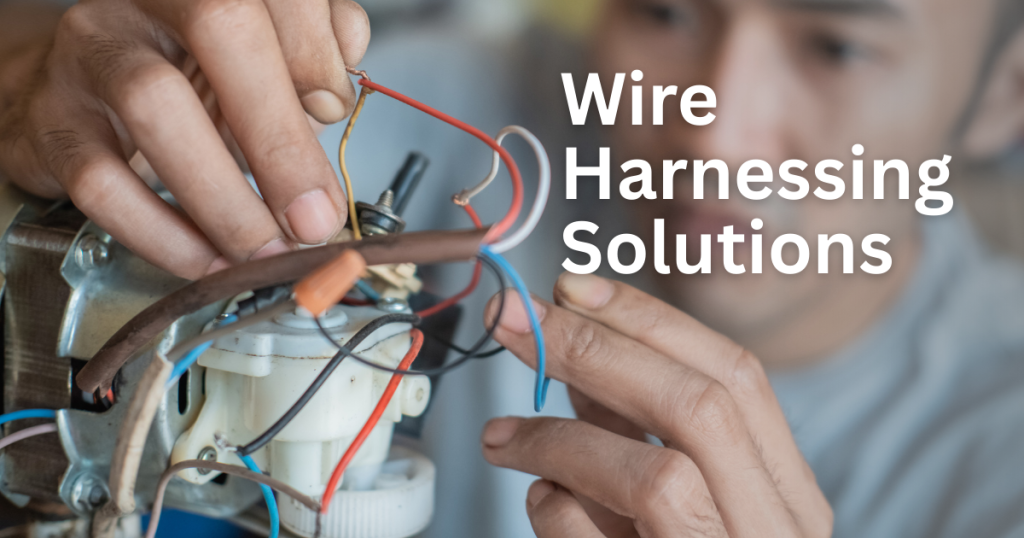
Wire harnesses are undergoing a significant evolution, particularly within the automotive and aerospace industries. As these sectors embrace greater complexity, automation, and electrification, the demands placed on their wiring systems are intensifying. This post explores the key trends shaping the future of wire harnessing solutions, highlighting the innovations and challenges ahead.
For decades, traditional wire harnesses—bundles of insulated wires bound together—have served as the nervous system of vehicles and aircraft. However, the increasing sophistication of these machines, driven by electric vehicles (EVs), advanced driver-assistance systems (ADAS), in-flight entertainment, and avionics, is pushing the limits of conventional wiring. This necessitates a shift towards more efficient, lighter, and smarter wire harnessing solutions.
One of the most significant trends is the growing demand for lighter and more compact wire harnesses. In both automotive and aerospace, weight reduction is paramount for improving fuel efficiency (or battery range in EVs) and overall performance. Traditional copper wiring can be heavy and bulky, especially with the increasing number of electronic components. This is driving research and adoption of alternative materials like aluminum wiring and innovative wiring architectures that optimize space and reduce material usage. Companies like Smartlink Engineering are constantly exploring techniques to minimize weight and volume without compromising reliability.
The rise of electrification in the automotive industry is fundamentally changing the landscape of wire harnessing. EVs require high-voltage power distribution systems for the battery, motor, and charging infrastructure—introducing new challenges related to safety, electromagnetic compatibility (EMC), and thermal management. High-voltage wire harnesses with specialized shielding and insulation are becoming increasingly critical. The integration of battery management systems (BMS) also requires complex wiring for monitoring and controlling individual battery cells.
The increasing integration of advanced driver-assistance systems (ADAS) and autonomous driving technologies adds further complexity. These systems rely on a multitude of sensors, cameras, and control units, significantly increasing the number of electrical connections required. This demands wire harnessing solutions that handle high data transfer rates, ensure reliable communication between components, and integrate cleanly into the vehicle’s architecture. The future will likely see more modular and standardized designs to simplify installation and maintenance.
In the aerospace industry, similar trends apply. More sophisticated in-flight entertainment systems, advanced avionics, and increased automation are driving demand for more complex and reliable wire harnessing solutions. Weight reduction remains critical, pushing adoption of lighter materials and optimized designs. The harsh operating environment also demands solutions that withstand extreme temperatures, vibrations, and electromagnetic interference.
The increasing focus on automation in manufacturing is also reshaping how wire harnesses are produced. Traditional assembly is labor-intensive. To improve efficiency, reduce costs, and ensure consistent quality, manufacturers are adopting automated cutting, stripping, crimping, and bundling technologies—and moving towards standardized designs that support automated processes.
Finally, the growing emphasis on sustainability is influencing materials and manufacturing processes. There is rising demand for recyclable and environmentally friendly materials, alongside efforts to optimize production to reduce waste and energy consumption.
The future of wire harnessing in automotive and aerospace is defined by lighter materials, greater complexity from electrification and advanced systems, more automation, and a focus on sustainability. Companies that can provide reliable, efficient, and adaptable solutions will be well-positioned as vehicles and aircraft continue to grow in sophistication.
FAQ: The Future of Wire Harnessing
Q: What are the main drivers shaping the future of wire harnessing?
A: Key drivers include the rise of EVs, increasing integration of ADAS and autonomous driving, demand for more sophisticated avionics and in-flight entertainment, the constant need for weight reduction, and growing focus on automation and sustainability in manufacturing.
Q: Why is weight reduction so important in wire harnessing for automotive and aerospace?
A: In automotive, reducing weight improves fuel efficiency and extends battery range in EVs. In aerospace, weight reduction is crucial for fuel efficiency and overall aircraft performance.
Q: How is electrification impacting wire harnessing in the automotive industry?
A: EVs require specialized high-voltage wire harnesses for power distribution, charging infrastructure, and battery management systems. Safety, EMC, and thermal management become critical considerations.
Q: What role does automation play in the manufacturing of wire harnesses?
A: Automation is increasingly adopted to improve efficiency, reduce costs, and ensure consistent quality in wire harness assembly, which is traditionally a labor-intensive process.
Q: Are there any new materials being explored for wire harnessing?
A: Yes, there is ongoing research and adoption of alternative materials like aluminum wiring to reduce weight compared to traditional copper.
Q: How are wire harnesses adapting to the increasing complexity of electronic systems?
A: The trend is towards more sophisticated, modular, and standardized solutions that handle high data transfer rates, ensure reliable communication, and simplify integration and maintenance.
Q: What are the sustainability considerations in the future of wire harnessing?
A: There is a growing emphasis on recyclable and environmentally friendly materials, and on optimizing manufacturing processes to reduce waste and energy consumption.
Q: Where can companies find innovative wire harnessing solutions for the automotive and aerospace industries?
A: Companies can explore suppliers specializing in advanced wire harnessing technologies, attend industry trade shows and conferences, and research companies with proven expertise in high-voltage systems and lightweighting solutions.